
What Is Visual Reinforcement Audiometry (VRA) and How Does It Help Children?
- Jan 22
- 3 min read
Updated: Apr 15
Hearing is one of the most critical senses in a child’s early development, directly influencing speech, language, and social skills. Detecting hearing issues as early as possible can make a profound difference in a child’s growth and communication abilities. One of the most effective methods for evaluating hearing in infants and toddlers is Visual Reinforcement Audiometry (VRA).
In this post, we’ll explain what VRA is, how it works, and why modern VRA systems like Flex VRA are transforming pediatric audiology.
Understanding Visual Reinforcement Audiometry
Visual Reinforcement Audiometry is a behavioral hearing test designed for children between 6 months and 3 years of age. Unlike older children or adults, infants can’t reliably respond to verbal instructions during a hearing assessment. VRA addresses this challenge by combining sound stimulation with visual rewards.
During a VRA session, the audiologist presents a series of sounds through a speaker. When the child turns their head toward the sound source, they are rewarded with a visual stimulus, such as a moving toy, animated video, or light display. This positive reinforcement encourages the child to participate consistently, providing reliable and measurable results.
How VRA Helps Children
Early Detection of Hearing Loss VRA enables audiologists to identify hearing impairments early, often before parents notice any obvious signs. Early detection is crucial because untreated hearing loss can lead to delays in speech, language development, and even cognitive skills.
Engagement and Comfort Infants and toddlers are naturally curious, but they have limited attention spans. The visual reinforcement component makes the test fun and engaging, keeping the child’s focus on the task while minimizing stress or anxiety.
Reliable and Repeatable Results Because VRA relies on natural behavioral responses rather than verbal communication, the test provides accurate results even with very young children. This reliability is essential for creating tailored treatment plans, including hearing aids, cochlear implants, or speech therapy.
Parental Peace of Mind Parents can see firsthand how their child reacts to sounds in a controlled environment, giving them confidence in the test results. It also helps families understand the importance of consistent hearing monitoring during early childhood.
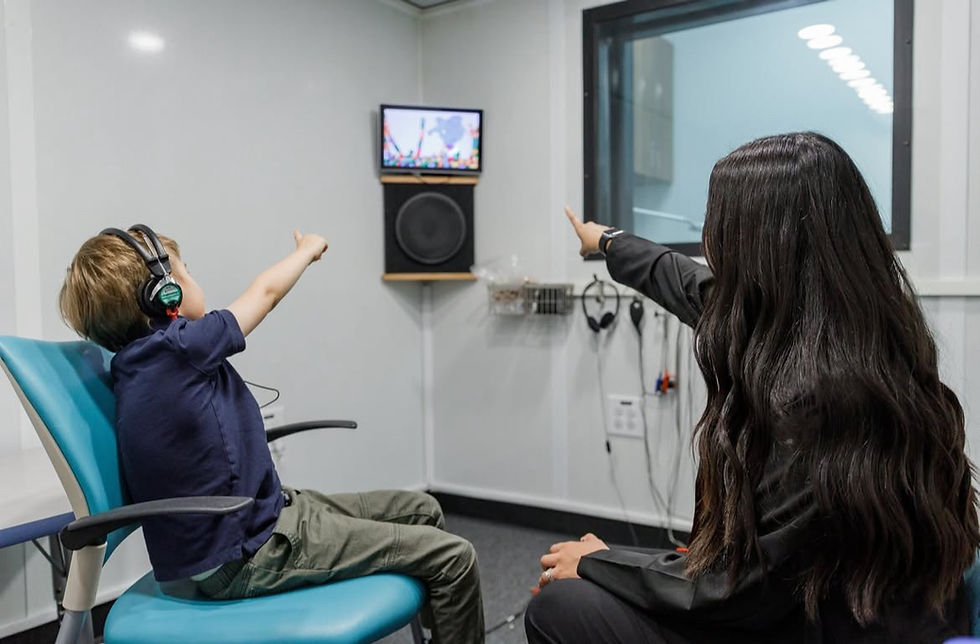
Modern VRA Systems: A Game-Changer for Pediatric Audiology
Traditional VRA systems often rely on bulky equipment and limited visual stimuli, which can reduce engagement. Today, modern systems like Flex VRA combine advanced hardware with customizable software to create a flexible, child-friendly testing experience.
Wireless Components: Flexible placement of speakers and toys for any clinic setup.
Customizable Visual Stimuli: Videos and animations tailored to a child’s age or interests.
Research shows that using modern VRA systems can increase testing accuracy and engagement compared to conventional methods.
Who Should Consider VRA Testing?
VRA is recommended for:
Infants with a family history of hearing loss
Babies who failed newborn hearing screenings
Children at risk of middle ear infections or other auditory issues
Pediatric clinics seeking efficient, engaging hearing assessment solutions
By incorporating VRA into regular checkups, audiologists and parents can proactively support a child’s auditory development.
Take the Next Step with Flex VRA
Modern pediatric audiology is evolving, and Flex VRA is at the forefront. Its intuitive, engaging, and reliable system helps audiologists deliver accurate results while keeping children happy and comfortable.
Ready to take your pediatric hearing assessments to the next level? Explore our Flex VRA systems today and see how modern VRA testing can make a difference for your clinic and your young patients. Discover Flex VRA Now!


Comments